The move from pre-K to kindergarten is a big milestone for children and for parents too! It is a moment filled with excitement, pride, and maybe even a little bit of worry. Will my child be ready? How can I support them? Choosing the right preschool or daycare can make all the difference in preparing children for this important step in their educational journey.
Why the Transition Matters
Kindergarten marks the beginning of formal schooling. Children encounter new routines, expectations, and opportunities to grow. A smooth transition builds confidence and helps children feel secure in their new environment. This is where kindergarten readiness becomes so important.
The foundation for school success is built in early childhood education. When families partner with a preschool or daycare that focused on school readiness, children enter kindergarten not only with strong academic skills but also with social-emotional tools that allow them to thrive.
Key Skills for Kindergarten Readiness
While every child develops at their own pace, there are several areas where pre-K programs help children grow:
- Independence: Skills like managing belongings, following routines, and taking care of personal needs.
- Social-emotional growth: Learning to share, cooperate, and express feelings appropriately.
- Language and Literacy: Recognizing letters, enjoying stories and beginning to write their name.
- Math Readiness: Counting, sorting, and recognizing simple patterns.
- Problem-solving: Building resilience and finding solutions when things don’t go as planned.
These early learning experiences give children the confidence to step into kindergarten prepared and excited
How Families Can Support the Transition
1. Talk About What’s Ahead
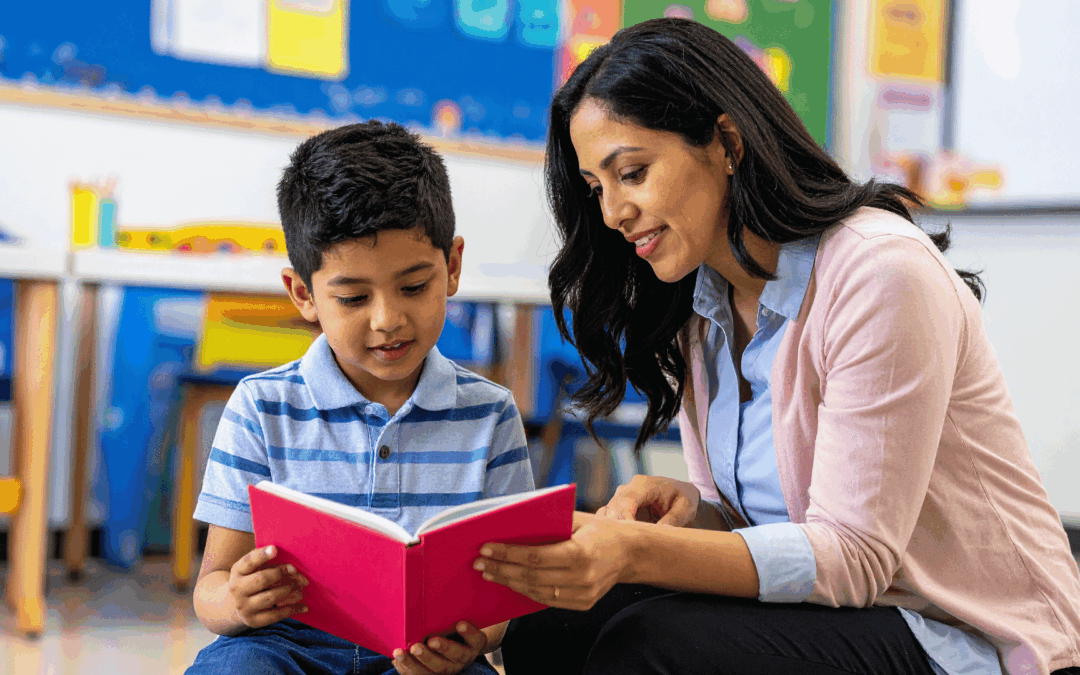
Read books about kindergarten, visit the school together, and share positive stories about what is to come. This helps children picture the change and approach it with confidence.
2. Practice Daily Routines
Bedtimes, morning schedules, and independent tasks like dressing or packing a backpack all give children a sense of responsibility and readiness.
3. Encourage Social Skills
Playdates, group activities, and teamwork games help children build friendships and practice cooperation, skills that make the classroom community thrive.
4. Partner with Teachers
Your child’s preschool or daycare teachers are valuable guides in the transition to kindergarten. Ask for insights on strengths and areas to practice at home.
How Preschool and Daycare Prepare Children for Kindergarten
The best preschools and daycares do more than provide child care; they lay the foundation for school readiness. Through structured rotines, age appropriate academics, and hands-on play, children practice the very skills they will need in kindergarten.
For example, circle time introduces listening and turn-taking, while art projects strengthen fine motor skills for writing. Outdoor play builds coordination, while group activities encourage collaboration. Each of these experiences prepares children in ways that feel natural and joyful.
Choosing the Right Preschool or Daycare for Kindergarten Readiness
As you explore options for your child, look for a program that:
- Balances learning with play
- Offers opportunities for family involvement.
- Focuses on both academic and social-emotional development.
- Communicates regularly with parents about growth and progress.
A preschool or daycare that emphasizes these qualities ensures your child is not only prepared for kindergarten but also excited to take that next step.
Partnering for Success
The transition from pre-K to Kindergarten is a milestone worth celebrating. With the right preparation, children start school with confidence, curiosity, and joy. We are dedicated to making this transition seamless by nurturing independence, encouraging discovery, and supporting every child’s unique journey.
If you are looking for a preschool or daycare that prepares your child for kindergarten and beyond, we invite you to visit us, meet our teachers, and experience the warm, engaging community that sets the stage for lifelong learning.
